Understanding pet nutrition is crucial for every pet owner who wants to ensure their furry companions lead healthy and happy lives. Just like humans, pets require a balanced diet that meets their specific nutritional needs. However, the world of pet food can be complex, and not all foods that are safe for humans are suitable for our pets. In fact, some common foods can be downright toxic to them, posing serious health risks. As we delve into the topic of a healthy pet diet, it’s essential to recognize the potential dangers lurking in our kitchens.
Many pet owners may unknowingly offer their pets foods that can lead to severe health issues, including gastrointestinal distress, organ failure, or even death. For instance, items like chocolate, grapes, and onions are well-known for their toxicity to dogs and cats alike. Understanding which foods to avoid is a vital part of responsible pet ownership. This section aims to shed light on the importance of being informed about toxic foods for pets. By educating ourselves on what constitutes a safe and nutritious diet for our pets, we can make better choices that promote their overall well-being.
As we explore this topic further, we will highlight specific foods to avoid and provide guidance on how to create a balanced diet that supports your pet's health.
Common Foods That Are Toxic to Pets
As a responsible pet owner, it is essential to be aware of the common foods that are toxic to pets. Many everyday items found in our kitchens can pose serious health risks to our furry friends. Below is a list of some of the most dangerous foods for both dogs and cats.- Chocolate: This beloved treat contains theobromine, which is highly toxic to dogs and cats. Even small amounts can lead to symptoms such as vomiting, diarrhea, and in severe cases, seizures or death.
- Grapes and Raisins: While they may seem harmless, grapes and raisins can cause acute kidney failure in dogs.
Symptoms may include lethargy, vomiting, and loss of appetite.
- Onions and Garlic: Both onions and garlic belong to the allium family and can damage red blood cells in pets. Even small quantities can lead to anemia, resulting in weakness and lethargy.
- Xylitol: This sugar substitute is often found in sugar-free gum and candies. It can cause a rapid insulin release in dogs, leading to hypoglycemia (low blood sugar), seizures, and liver failure.
- Avocado: While healthy for humans, avocados contain persin, which can be toxic to pets. Dogs may experience vomiting or diarrhea after consuming avocado flesh or pit.
Always keep these items out of reach and educate family members about the dangers they pose. If you suspect your pet has ingested any of these foods, contact your veterinarian immediately for guidance.
Understanding Why Certain Foods Are Toxic
Understanding why certain foods are toxic to pets involves delving into their unique biological makeup and how it differs from that of humans. Pets, particularly dogs and cats, have different metabolic pathways and digestive systems that can react adversely to certain substances found in common foods.For instance, many pets lack the necessary enzymes to break down specific compounds. A prime example is theobromine, found in chocolate, which can lead to severe health issues in dogs because they metabolize it much more slowly than humans do.This slow metabolism allows the toxic compound to build up to dangerous levels in their system.Additionally, some foods contain natural toxins that are harmless to humans but can be detrimental to pets. For example:
- Onions and garlic: These contain compounds that can damage red blood cells in dogs and cats, leading to anemia.
- Grapes and raisins: Even small amounts can cause kidney failure in dogs.
- Xylitol: A common sugar substitute found in many sugar-free products, xylitol can cause a rapid insulin release in dogs, leading to hypoglycemia.
By being aware of which foods are harmful and understanding the science behind their toxicity, pet owners can better protect their beloved animals from potential health risks.
Symptoms of Food Poisoning in Pets
Recognizing the symptoms of food poisoning in pets is crucial for ensuring their health and well-being. If you suspect that your pet has ingested a toxic food item, being aware of the signs can lead to timely veterinary intervention. Common symptoms of food poisoning in pets include:- Vomiting: Frequent vomiting can indicate that your pet's body is trying to expel the harmful substance.
- Diarrhea: Loose or watery stools may accompany vomiting, often leading to dehydration.
- Lethargy: A sudden drop in energy levels or unusual tiredness can be a sign of distress.
- Loss of Appetite: If your pet refuses to eat or shows disinterest in food, it may be feeling unwell.
- Abdominal Pain: Signs of discomfort, such as whining or a tense abdomen, can indicate gastrointestinal distress.
- Excessive Salivation: Drooling more than usual can be a response to nausea or irritation in the mouth and throat.
What to Do If Your Pet Eats Something Toxic
If you suspect that your pet has ingested something toxic, it’s crucial to act quickly.The first step is to remain calm and assess the situation. Here are some important actions to take:
- Identify the substance: Try to determine what your pet has eaten. If possible, keep a sample of the food or packaging for reference.
- Check for symptoms: Monitor your pet for any signs of distress, such as vomiting, diarrhea, lethargy, or seizures. These symptoms can vary depending on the toxin.
- Contact your veterinarian: Call your vet immediately and provide them with all relevant information, including your pet's size, breed, and any symptoms observed.
If it’s after hours, contact an emergency veterinary clinic.
- Do not induce vomiting: Unless specifically instructed by a veterinarian, do not attempt to make your pet vomit. Some substances can cause more harm if they come back up.
Emergency pet care
is essential in these situations. If your pet is showing severe symptoms or if you are unsure about their condition, take them to the nearest veterinary clinic as soon as possible.Time is of the essence when dealing with potential poisoning.After the immediate crisis has been addressed, consider reviewing your home environment for any hazardous foods or substances that could pose a risk in the future. Educating yourself about a healthy pet diet and safe food options can help prevent similar incidents from occurring again.
Safe Alternatives: Healthy Foods for Pets
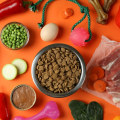
When considering a healthy pet diet, it’s essential to know which foods are safe and nutritious for your furry friends. Many pet owners are unaware that certain human foods can be beneficial, while others can be harmful. Here are some safe pet diet options that you can incorporate into your pet's meals.- Lean meats: Cooked chicken, turkey, and lean cuts of beef are excellent sources of protein.
Ensure they are unseasoned and free from bones.
- Fruits: Many fruits are safe for pets and can serve as tasty treats. Consider offering small amounts of apples (without seeds), blueberries, and bananas.
- Vegetables: Carrots, green beans, and sweet potatoes are not only safe but also packed with vitamins. These can be served raw or cooked without any added fats or seasonings.
- Whole grains: Brown rice and oatmeal can be good additions to your pet's diet, providing energy and fiber.
- Fish: Salmon and sardines are rich in omega-3 fatty acids, which promote a healthy coat and skin. Make sure they are cooked and free from bones.
Look for options that contain natural ingredients without artificial additives. You can also make homemade treats using safe ingredients like pumpkin puree or peanut butter (ensure it does not contain xylitol).Always introduce new foods gradually to monitor for any adverse reactions. Consulting with your veterinarian before making significant changes to your pet's diet is also advisable. By choosing the right foods, you can ensure your pet enjoys a balanced and healthy diet, contributing to their overall well-being.
Frequently Asked Questions About Pet Diet and Toxicity
When it comes to ensuring a healthy pet diet, many pet owners have questions about what foods are safe and which ones can be harmful.Here are some frequently asked questions regarding pet diets and food toxicity:
What common foods are toxic to pets?
- Chocolate: Contains theobromine, which is highly toxic to dogs and cats.
- Onions and Garlic: These can damage red blood cells in pets, leading to anemia.
- Grapes and Raisins: Even small amounts can cause kidney failure in dogs.
- Xylitol: A sugar substitute found in many sugar-free products, it can lead to insulin release and liver failure.
- Avocado: Contains persin, which can be harmful to pets, especially birds.
How can I tell if my pet has eaten something toxic?
If you suspect your pet has ingested a toxic food, look for symptoms such as vomiting, diarrhea, lethargy, or unusual behavior. In severe cases, seizures or difficulty breathing may occur. It’s crucial to contact your veterinarian immediately if you notice any of these signs.Are there safe alternatives to toxic foods?
Yes! There are many safe and healthy alternatives that you can offer your pets. For example:- Carrots: A crunchy snack that is low in calories and high in fiber.
- Blueberries: Packed with antioxidants and a great treat for dogs.
- Pumpkin: Good for digestion and can be added to their meals.
Conclusion: Ensuring a Safe and Healthy Diet for Your Pet
In conclusion, ensuring a safe and healthy diet for your pet is paramount to their overall well-being.Throughout this article, we have highlighted the importance of being vigilant about the foods that can be toxic to pets. Many common household items, such as chocolate, grapes, and onions, can pose serious health risks to our furry friends.As a responsible pet owner, it is crucial to educate yourself about these harmful foods and take proactive measures to prevent accidental ingestion. Here are some key takeaways:
- Know the Risks: Familiarize yourself with the list of foods that are toxic to pets. This knowledge can help you make informed decisions when it comes to your pet's diet.
- Read Labels: Always check ingredient labels on pet food and treats.
Look for products that prioritize natural ingredients and avoid those with harmful additives.
- Consult Your Veterinarian: Regular check-ups with your vet can provide personalized dietary recommendations tailored to your pet's specific needs.
- Promote Healthy Alternatives: Instead of sharing your meals, consider offering safe fruits and vegetables as treats. Carrots, blueberries, and pumpkin are excellent options that can enhance your pet's diet.