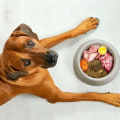
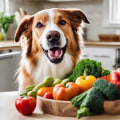
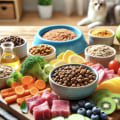
When it comes to our beloved pets, ensuring they have a healthy pet diet is paramount. Just like humans, pets require a balanced intake of nutrients to thrive, and the right nutrition can significantly impact their overall health and well-being. A well-rounded diet not only supports their physical health but also contributes to their emotional and mental stability. Understanding the importance of pet nutrition is the first step in making informed decisions about what we feed our furry companions. Many pet owners often wonder about the safety of giving their pets table scraps or human food as treats.
While some human foods can be beneficial, others may pose serious health risks. This highlights the need for pet owners to be educated about pet food safety. It’s essential to recognize which foods are safe and nutritious for pets and which ones should be avoided altogether. By prioritizing a healthy diet, we can help prevent obesity, diabetes, and other health issues that arise from poor nutrition. In this article, we will explore the nuances of feeding pets human food, the potential benefits and risks involved, and how to create a balanced diet that keeps our pets happy and healthy.
By understanding the fundamentals of a healthy pet diet, we can make better choices that enhance our pets' lives while also enjoying those special moments of sharing food with them.
Can Pets Eat Human Food? Understanding the Basics
When considering whether pets can eat human food, it’s essential to understand that not all human food is suitable for our furry friends. While some foods can be beneficial, others can pose serious health risks. The key is to know which foods are safe and which should be avoided.Safe Human Foods for Pets
- Fruits: Many fruits are safe for pets, including apples (without seeds), blueberries, and bananas. These can provide essential vitamins and antioxidants.
- Vegetables: Carrots, green beans, and sweet potatoes are excellent choices.
They are low in calories and high in fiber.
- Lean meats: Cooked chicken, turkey, and fish can be great protein sources. Ensure they are free from bones and seasoning.
- Rice and pasta: Plain, cooked rice or pasta can be a good addition to your pet's diet, especially if they have an upset stomach.
Human Foods to Avoid
- Chocolate: This is toxic to both dogs and cats and can lead to severe health issues.
- Onions and garlic: These can damage red blood cells in pets, leading to anemia.
- Grapes and raisins: Even small amounts can cause kidney failure in dogs.
- Xylitol: This artificial sweetener found in many sugar-free products is extremely toxic to dogs.
Understanding the basics of what is safe will help you make informed decisions that contribute positively to your pet's health.
Common Human Foods That Are Safe for Pets
When considering a healthy pet diet, it's essential to know which human foods can be safely shared with your furry friends. Here are some common human foods that are not only safe but also beneficial for pets:- Carrots: Crunchy and low in calories, carrots are a great source of vitamins A, C, and K. They can help improve your pet's dental health by reducing plaque buildup.
- Green Beans: These are high in fiber and low in calories, making them an excellent treat for pets that need to lose weight. They also provide essential vitamins and minerals.
- Sweet Potatoes: Rich in dietary fiber and packed with vitamins A and C, sweet potatoes can be cooked and mashed or served in small cubes as a tasty treat.
- Apples: Apples are a good source of vitamins A and C, as well as fiber.
Just be sure to remove the seeds and core before offering them to your pet.
- Peanut Butter: A favorite among many pets, peanut butter is high in protein and healthy fats. Choose unsweetened varieties without xylitol, which is toxic to dogs.
- Plain Yogurt: This can be a great source of calcium and protein. Look for plain, unsweetened yogurt without artificial sweeteners for a healthy treat.
By incorporating these pet-friendly foods into their diet, you can provide your pets with delicious treats that contribute to their overall health and well-being.
Human Foods to Avoid: Toxic Foods for Pets
When considering a healthy pet diet, it’s crucial to be aware of the human foods that can pose serious health risks to your furry friends. While some human foods are safe and even beneficial for pets, others can be downright toxic. Here’s a list of common foods that should be avoided:- Chocolate: This beloved treat contains theobromine, which is highly toxic to dogs and cats. Even small amounts can lead to symptoms like vomiting, diarrhea, and in severe cases, seizures or death.
- Onions and Garlic: Both of these foods belong to the allium family and can damage red blood cells in pets, leading to anemia.
Symptoms may not appear immediately but can be serious.
- Grapes and Raisins: These fruits can cause acute kidney failure in dogs. Even a small amount can trigger a toxic reaction, so it’s best to keep them out of reach.
- Xylitol: Commonly found in sugar-free gum and candies, xylitol can cause a rapid insulin release in dogs, leading to hypoglycemia (low blood sugar), seizures, and liver failure.
- Avocado: While healthy for humans, avocados contain persin, which can be harmful to pets, particularly birds and large quantities can affect dogs.
- Alcohol: Even small amounts of alcohol can be dangerous for pets, leading to vomiting, diarrhea, difficulty breathing, and even coma or death.
- Caffeine: Found in coffee, tea, and some sodas, caffeine is toxic to pets and can cause restlessness, rapid breathing, heart palpitations, and muscle tremors.
Always opt for pet-safe treats and consult with your vet before introducing any new foods into their diet.
How to Safely Introduce Table Scraps into Your Pet's Diet
Introducing table scraps into your pet's diet can be a rewarding experience, but it requires careful consideration and planning. Here are some guidelines to help you safely incorporate human food into your pet's meals.- Start Small: Begin by offering small portions of table scraps to see how your pet reacts. A few bites of cooked chicken or vegetables can be a good starting point.
- Choose Wisely: Not all human foods are safe for pets. Avoid foods that are toxic to animals, such as chocolate, grapes, onions, and garlic.
Stick to safe options like plain cooked meats, certain fruits, and vegetables.
- Monitor Reactions: After introducing a new food item, watch for any signs of digestive upset, such as vomiting or diarrhea. If your pet shows any adverse reactions, discontinue the food immediately.
- Portion Control: Treats, including table scraps, should only make up a small percentage of your pet's overall diet—generally no more than 10%. This helps maintain a balanced healthy pet diet.
- Consistency is Key: Try to keep the types of table scraps you offer consistent. Frequent changes can lead to digestive issues.
Stick to a few safe options that your pet enjoys.
- Consult Your Veterinarian: Before making significant changes to your pet's diet, it's always best to consult with your veterinarian. They can provide personalized advice based on your pet's health needs.
The Role of Treats in a Healthy Pet Diet
Treats play a significant role in a healthy pet diet, serving not only as rewards for good behavior but also as a means to strengthen the bond between you and your furry friend. However, it is crucial to choose the right types of treats to ensure they contribute positively to your pet's overall health.When selecting treats, consider the following:- Quality Ingredients: Opt for treats made from high-quality, natural ingredients.
Look for options that are free from artificial preservatives, colors, and flavors.
- Caloric Content: Treats should not exceed 10% of your pet's daily caloric intake. This helps prevent obesity and maintains a balanced diet.
- Health Benefits: Some treats are formulated to support dental health or provide essential nutrients. Choose those that align with your pet's specific health needs.
Instead, consider using healthy pet treats that are specifically designed for their dietary requirements.Incorporating treats into your pet's diet can also serve as an excellent training tool. Positive reinforcement through treats can encourage good behavior and obedience. Just remember to adjust their regular meals accordingly to account for the extra calories from treats.Ultimately, the key is moderation and making informed choices about what you offer your pet. By selecting appropriate treats and using them wisely, you can enhance your pet's diet while ensuring they remain healthy and happy.
FAQs About Feeding Pets Human Food and Table Scraps
Feeding your pet human food or table scraps can be a contentious topic among pet owners.Here are some frequently asked questions that can help clarify this issue:
- Can I give my pet table scraps? While some table scraps are safe for pets, others can be harmful. Foods like cooked chicken, carrots, and green beans can be healthy treats, but avoid giving them foods high in fat, sugar, or salt.
- What human foods are safe for pets? Many fruits and vegetables are safe for pets. For example, apples, blueberries, and pumpkin can be nutritious additions to your pet's diet. Always ensure that any food is prepared without harmful additives like garlic or onion.
- Are there any foods I should never feed my pet? Yes, certain foods are toxic to pets.
Common examples include chocolate, grapes, raisins, and xylitol (a sugar substitute). Always research before introducing new foods into your pet's diet.
- How do I know if a food is safe for my pet? Consult with your veterinarian about any new foods you wish to introduce. They can provide guidance based on your pet's specific health needs and dietary restrictions.
- What are the risks of feeding pets human food? Overfeeding or giving inappropriate foods can lead to obesity, digestive issues, or even poisoning. It's essential to maintain a balanced diet tailored to your pet's nutritional requirements.
Always prioritize a healthy pet diet and consult with professionals when in doubt.
Conclusion: Making Informed Choices for Your Pet's Diet
In conclusion, ensuring a healthy pet diet is crucial for the well-being of your furry companions. While the idea of sharing table scraps or human food may seem appealing, it is essential to approach this practice with caution and knowledge. Understanding which foods are safe and beneficial for your pet can help you make informed choices that promote their health.Throughout this article, we have explored various aspects of feeding pets human food, including:- Safe Foods: Certain fruits and vegetables can be excellent treats for pets, providing essential nutrients without harmful additives.
- Harmful Foods: Many common human foods, such as chocolate, onions, and grapes, can be toxic to pets and should always be avoided.
- Portion Control: Even safe human foods should be given in moderation to prevent obesity and digestive issues.
- Consulting Professionals: Always consult with a veterinarian before introducing new foods into your pet's diet to ensure they meet specific dietary needs.
Making informed choices not only keeps your pet happy but also contributes to their long-term health and vitality.Ultimately, the goal is to create a harmonious balance between enjoying treats and maintaining a nutritious diet. With careful consideration and guidance from professionals, you can confidently navigate the world of pet nutrition.