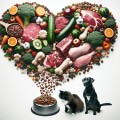
When it comes to our beloved pets, nutrition plays a pivotal role in their overall health and well-being. A healthy pet diet is not just about filling their bowls; it’s about providing the right balance of nutrients that support their growth, energy levels, and immune function. Just like humans, pets require a variety of vitamins, minerals, proteins, and fats to thrive. Ensuring that our pets receive proper nutrition is essential for their health, as it directly relates to their access to quality care. is not just about filling their bowls; it’s about providing the right balance of nutrients that support their growth, energy levels, and immune function. Just like humans, pets require a variety of vitamins, minerals, proteins, and fats to thrive. Ensuring that our pets receive proper nutrition is essential for their health, as it directly relates to their access to quality care.
Unfortunately, many pet owners may overlook the importance of a well-rounded diet, leading to a range of potential health issues. Feeding pets an unhealthy diet can result in serious consequences. Common problems such as obesity, diabetes, and dental disease can stem from poor nutritional choices. For instance, a diet high in fillers and low-quality ingredients can lead to weight gain, which in turn increases the risk of joint problems and heart disease. Moreover, inadequate nutrition can weaken a pet's immune system, making them more susceptible to infections and chronic illnesses. Understanding the significance of a healthy pet diet is crucial for any pet owner who wants to ensure their furry companions live long, happy lives.
By prioritizing proper nutrition and being mindful of what goes into their pets' food bowls, owners can help prevent many health issues before they arise. This proactive approach not only enhances the quality of life for pets but also fosters a deeper bond between pets and their owners through shared health and vitality.
Common Health Issues Linked to Poor Nutrition
A healthy pet diet is crucial for maintaining the overall well-being of your furry companions. When pets are fed an unhealthy diet, they can suffer from a variety of health issues that can significantly impact their quality of life. Here are some common health problems associated with poor nutrition:- Obesity: One of the most prevalent issues, obesity can lead to serious conditions such as diabetes, heart disease, and joint problems.
Pets that consume high-calorie diets without adequate exercise are at a greater risk.
- Dental Disease: A diet lacking in essential nutrients can contribute to poor dental health. Pets may develop plaque and tartar buildup, leading to gum disease and tooth loss.
- Digestive Issues: An unhealthy diet can cause gastrointestinal problems, including diarrhea, constipation, and vomiting. Pets may struggle to digest low-quality ingredients or excessive fillers.
- Skin and Coat Problems: Nutritional deficiencies can manifest as skin irritations, allergies, or a dull coat. Essential fatty acids and vitamins are vital for maintaining healthy skin and fur.
- Weakened Immune System: A poor diet can compromise a pet's immune system, making them more susceptible to infections and diseases.
Proper nutrition is essential for supporting immune function.
- Joint Issues: Inadequate nutrition can lead to joint problems, particularly in larger breeds. A lack of essential nutrients like glucosamine can exacerbate conditions such as arthritis.
Obesity and Its Consequences
Obesity in pets is a growing concern that can be directly linked to an unhealthy pet diet. When pets consume more calories than they expend, the excess energy is stored as fat, leading to obesity.This condition is not just a cosmetic issue; it can have serious health implications for our furry companions.
Causes of Pet Obesity
- Overfeeding: Many pet owners unknowingly overfeed their pets, often due to misunderstanding portion sizes or being influenced by their pet's begging behavior.
- Low Activity Levels: A sedentary lifestyle, often exacerbated by indoor living and lack of exercise, contributes significantly to weight gain.
- High-Calorie Treats: Frequent indulgence in high-calorie treats can add up quickly, leading to an imbalance in calorie intake versus expenditure.
Effects of Obesity in Pets
The consequences of obesity extend beyond just weight gain. Pets that are overweight are at a higher risk for several serious health issues, including:
- Diabetes: Obesity can lead to insulin resistance, increasing the likelihood of diabetes in pets.
- Joint Problems: Excess weight puts additional stress on joints, leading to conditions like arthritis and decreased mobility.
- Heart Disease: Overweight pets are more prone to cardiovascular issues, which can significantly shorten their lifespan.
Managing Pet Weight
To combat obesity, it is essential for pet owners to adopt effective management strategies:
- Consult a Veterinarian: Regular check-ups can help monitor your pet's weight and overall health.
- Balanced Diet: Transitioning to a healthy pet diet, rich in nutrients and appropriate portion sizes, is crucial.
- Increase Physical Activity: Engage your pet in regular exercise through walks, playtime, and interactive toys.
Dental Problems Resulting from Diet
A healthy pet diet is crucial not only for overall health but also for maintaining optimal pet dental health. An unhealthy diet can lead to a variety of dental problems, which can significantly affect your pet's quality of life.One of the most common issues is the buildup of plaque and tartar. When pets consume sugary or highly processed foods, these substances can stick to their teeth, leading to plaque formation.If not addressed, plaque hardens into tartar, which can cause gum disease and tooth decay.Additionally, a diet lacking in essential nutrients can weaken your pet's immune system, making it harder for them to fight off infections, including those affecting the gums and teeth. This can result in painful conditions such as gingivitis, which is characterized by inflammation of the gums.
Preventing Dental Problems
- Choose high-quality food: Opt for pet food that is specifically formulated to promote dental health. Look for options that include dental chews or kibble designed to reduce plaque buildup.
- Regular dental check-ups: Schedule routine veterinary visits to monitor your pet's dental health. Professional cleanings can help prevent serious issues.
- At-home dental care: Brush your pet's teeth regularly with toothpaste made for pets.
This simple practice can significantly reduce plaque accumulation.
- Provide chew toys: Durable chew toys can help scrape away food particles and plaque from your pet's teeth while they play.
Digestive Disorders and Their Causes
A healthy pet diet is crucial for maintaining optimal digestive health in pets. When pets consume a diet lacking in essential nutrients or filled with low-quality ingredients, they can develop various digestive disorders. Understanding these issues can help pet owners make informed dietary choices.Common Digestive Issues in Pets
- Vomiting: Frequent vomiting can indicate an underlying issue, often related to food intolerances or allergies.
Pets may react poorly to certain ingredients, leading to gastrointestinal upset.
- Diarrhea: This is a common symptom of dietary indiscretion or sudden changes in diet. It can also result from consuming spoiled food or non-food items.
- Constipation: A lack of fiber in the diet can lead to constipation, making it difficult for pets to pass stool. This condition can cause discomfort and may require dietary adjustments.
- Bloating: This serious condition occurs when gas builds up in the stomach, often due to overeating or consuming gas-producing foods. It can be life-threatening if not addressed promptly.
Diet-Related Solutions
To prevent these digestive issues, consider the following dietary solutions:
- High-Quality Ingredients: Choose pet foods that list high-quality proteins and whole grains as primary ingredients.
Avoid fillers and artificial additives.
- Gradual Diet Changes: When switching foods, do so gradually over a week to minimize digestive upset.
- Fiber-Rich Foods: Incorporate fiber into your pet's diet through vegetables or specialized pet food to promote healthy digestion.
- Hydration: Ensure your pet has access to fresh water at all times, as hydration is key for digestive health.
Skin and Coat Issues Linked to Diet
A healthy pet diet is crucial for maintaining optimal skin and coat health in pets. An unhealthy diet can lead to a variety of skin issues, including dryness, flakiness, and excessive shedding. These problems often manifest as visible signs that pet owners should be vigilant about.Signs of Skin and Coat Problems:
- Dry or flaky skin
- Excessive scratching or biting at the skin
- Redness or inflammation
- Unpleasant odor
- Patchy fur loss
Without these nutrients, pets may develop dry skin and dull fur.
Improving Pet Skin Condition Through Diet:
To enhance your pet's skin and coat condition, consider incorporating the following dietary elements:
- High-quality protein: Ensure your pet's diet includes sufficient protein sources, such as chicken, fish, or lamb, which are essential for healthy skin regeneration.
- Essential fatty acids: Look for pet foods enriched with Omega-3 and Omega-6 fatty acids. Fish oil supplements can also be beneficial.
- Vitamins and minerals: Vitamins A, E, and zinc are crucial for skin health. Foods rich in these nutrients can help improve your pet's overall condition.
- Hydration: Always provide fresh water to keep your pet hydrated, as dehydration can exacerbate skin issues.
Behavioral Changes Due to Poor Nutrition
The connection between pet behavior and diet is often overlooked, yet it plays a crucial role in the overall well-being of our furry companions.An unhealthy pet diet can lead to various behavioral issues that may manifest in different ways, from aggression to anxiety.
How Nutrition Affects Pet Behavior
- Imbalanced Nutrients: Pets require a balanced diet rich in essential nutrients. A deficiency in key vitamins and minerals can lead to irritability and hyperactivity. For instance, a lack of omega-3 fatty acids has been linked to increased aggression in dogs.
- Food Sensitivities: Some pets may develop sensitivities or allergies to certain ingredients in their food. This can result in discomfort, leading to changes in behavior such as excessive scratching, biting, or even withdrawal from social interactions.
- High Sugar Content: Diets high in sugar can lead to energy spikes followed by crashes, causing mood swings and hyperactive behavior.
This erratic energy level can make it difficult for pets to settle down or focus.
Improving Pet Behavior Through Diet
Adjusting your pet's diet can significantly improve their behavior. Here are some strategies:
- Consult a Veterinarian: Always consult with a veterinarian before making significant changes to your pet's diet. They can recommend specific dietary adjustments based on your pet's individual needs.
- Choose High-Quality Food: Opt for high-quality pet food that lists real meat as the first ingredient and avoids fillers and artificial additives. This ensures your pet receives the necessary nutrients for optimal health.
- Monitor Portion Sizes: Overfeeding can lead to obesity, which is linked to behavioral issues such as lethargy and depression.
Ensure you are feeding appropriate portion sizes based on your pet's age, weight, and activity level.
Preventing Health Issues with a Balanced Diet
Maintaining a balanced diet for your pet is crucial in preventing a variety of health issues that can arise from poor nutrition. A well-rounded diet not only supports your pet's overall health but also enhances their quality of life. Here are some practical tips to ensure your furry friend receives the nutrition they need:- Choose High-Quality Pet Food: Look for brands that list meat as the first ingredient and avoid those with fillers like corn and soy.
High-quality pet food is formulated to meet the specific nutritional needs of your pet.
- Understand Portion Control: Overfeeding can lead to obesity, which is linked to numerous health problems. Follow the feeding guidelines on the pet food packaging and adjust based on your pet's activity level and weight.
- Incorporate Variety: Just like humans, pets benefit from a variety of foods. Consider rotating different protein sources and including fruits and vegetables that are safe for pets, such as carrots or blueberries.
- Stay Hydrated: Always provide fresh water. Proper hydration is essential for digestion and overall health.
- Consult Your Veterinarian: Regular check-ups can help identify any dietary deficiencies or health issues early on.
Your vet can recommend specific dietary adjustments based on your pet's age, breed, and health status.
- Read Labels Carefully: Familiarize yourself with the ingredients in your pet's food to ensure it meets their dietary needs.
- Avoid Human Food: Many human foods can be toxic to pets. Stick to pet-specific treats and snacks.
- Monitor Weight Regularly: Keep an eye on your pet's weight and body condition score to ensure they are maintaining a healthy weight.
Frequently Asked Questions About Pet Diets
When it comes to ensuring your pet's health, understanding their dietary needs is crucial. Here are some frequently asked questions regarding healthy pet diets that can help clarify common concerns:What are the signs of an unhealthy diet in pets?
Pets on an unhealthy diet may exhibit various symptoms, including:- Weight issues: Obesity or being underweight can indicate poor nutrition.
- Skin problems: Dry, flaky skin or excessive shedding may result from nutritional deficiencies.
- Lethargy: A lack of energy can be a sign that your pet isn't getting the right nutrients.
- Digestive issues: Frequent vomiting, diarrhea, or constipation can stem from an improper diet.
How can I ensure my pet is getting a balanced diet?
To provide a balanced diet for your pet, consider the following tips:- Consult a veterinarian: Regular check-ups can help tailor a diet plan specific to your pet's needs.
- Choose high-quality food: Look for brands that list meat as the first ingredient and avoid fillers.
- Incorporate variety: Include different protein sources and vegetables to ensure a range of nutrients.
- Avoid human food: Many human foods are toxic to pets; stick to pet-specific treats and meals.
Can a poor diet lead to long-term health issues?
Yes, an unhealthy diet can lead to serious long-term health problems such as:- Diabetes: Poor nutrition can increase the risk of diabetes in pets.
- Heart disease: An imbalanced diet may contribute to heart conditions.
- Liver disease: Excessive fat and low-quality ingredients can harm liver function over time.
Conclusion: The Importance of a Healthy Pet Diet
In conclusion, maintaining a healthy pet diet is crucial for the overall well-being of our furry companions.Throughout this article, we have explored various health issues that can arise from poor dietary choices, including obesity, diabetes, dental problems, and gastrointestinal disorders. Each of these conditions not only affects the quality of life for pets but can also lead to more severe health complications if left unaddressed.To ensure that your pet thrives, it is essential to provide a balanced diet that meets their specific nutritional needs. This includes:
- High-quality proteins to support muscle development and energy levels.
- Healthy fats for skin and coat health.
- Fruits and vegetables as sources of vitamins and minerals.
- Proper hydration to maintain kidney function and overall health.
Not only does it enhance your pet's quality of life, but it also strengthens the bond between you and your furry friend as you work together towards their health and happiness.