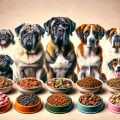
Dehydration in pets is a critical issue that often goes unnoticed until it becomes severe. Just like humans, our furry companions rely on water to maintain their bodily functions, and a lack of adequate hydration can lead to serious health problems. Understanding the signs of pet dehydration is essential for every pet owner, as it can be a silent threat that impacts your pet's overall well-being. One of the first steps in ensuring your pet's health is recognizing the connection between dehydration and a healthy pet diet. A balanced diet not only provides essential nutrients but also plays a significant role in maintaining hydration levels.
For instance, pets that consume dry kibble may require more water intake compared to those on a wet food diet, which contains higher moisture content. This highlights the importance of choosing the right food for your pet, as it can directly influence their hydration status. In this section, we will explore the various signs of dehydration in pets, including symptoms such as lethargy, dry gums, and decreased skin elasticity. By being vigilant and informed about these indicators, you can take proactive measures to ensure your pet remains hydrated and healthy. Remember, a well-hydrated pet is not only happier but also less prone to health complications that can arise from dehydration.
Signs of Dehydration in Pets
Recognizing the signs of dehydration in your pet is crucial for their health and well-being.Both dogs and cats can exhibit various symptoms that indicate they may be lacking adequate hydration. Here are some key signs to watch for:
- Dry Gums: One of the first indicators of dehydration is dry or sticky gums. If you notice that your pet's gums lack moisture, it may be a sign that they need more water.
- Loss of Skin Elasticity: A simple test to check for dehydration is to gently pinch the skin on the back of your pet's neck. If the skin does not return to its normal position quickly, it may indicate dehydration.
- Sunken Eyes: Dehydrated pets often have sunken eyes, which can give them a tired or unhealthy appearance.
- Decreased Urination: If your pet is urinating less frequently than usual or producing dark-colored urine, this could be a sign of dehydration.
- Lethargy: A noticeable decrease in energy levels or increased lethargy can also indicate that your pet is dehydrated.
They may seem less interested in play or exercise.
- Loss of Appetite: If your pet suddenly shows a lack of interest in food, it could be due to dehydration. Pets often lose their appetite when they are not feeling well.
Causes of Dehydration in Pets
Understanding the causes of dehydration in pets is crucial for maintaining their health and well-being.Several factors can contribute to a pet becoming dehydrated, and recognizing these can help in prevention.
Environmental conditions
play a significant role in pet hydration. Hot weather, high humidity, and prolonged exposure to the sun can increase a pet's need for water. Pets that are active outdoors during these conditions are particularly at risk. Additionally, seasonal changes can affect hydration levels; for instance, winter air can be dry, leading to increased water loss.Health issues
are another critical factor.Certain medical conditions, such as diabetes, kidney disease, and gastrointestinal disorders, can lead to increased fluid loss or decreased water intake. Pets suffering from vomiting or diarrhea are especially vulnerable to dehydration, as they lose fluids rapidly.
Dietary choices
also significantly impact hydration. A diet high in dry kibble may not provide sufficient moisture compared to wet food options. Pets that primarily consume dry food may require additional water intake to stay hydrated.Furthermore, sudden changes in diet can upset a pet's digestive system, leading to issues that may contribute to dehydration. Other factors affecting pet hydration include age, as older pets may have a reduced thirst drive or underlying health issues that affect their ability to maintain hydration.
Activity level
is also important; more active pets will require more water than those that are sedentary. By being aware of these causes of dehydration in pets, owners can take proactive steps to ensure their furry friends remain well-hydrated and healthy.How Diet Affects Pet Hydration
Understanding how diet influences your pet's hydration is crucial for maintaining their overall health. A healthy pet diet not only provides essential nutrients but also plays a significant role in ensuring adequate fluid intake.One of the primary factors to consider is the moisture content in your pet's food.Wet food
, for instance, typically contains around 70-80% water, making it an excellent choice for keeping pets hydrated.In contrast, dry kibble usually has only about 10% moisture. Therefore, if your pet primarily consumes dry food, it’s essential to ensure they have constant access to fresh water.
Best Foods for Hydrated Pets
- Canned food: This type of food is rich in moisture and can significantly contribute to your pet's daily water intake.
- Fresh fruits and vegetables: Many fruits and veggies, such as watermelon, cucumbers, and carrots, have high water content and can be great additions to your pet's diet.
- Homemade meals: Preparing meals at home allows you to control the moisture content and include hydrating ingredients.
By being mindful of what you feed your pet and ensuring they have access to water, you can help prevent dehydration and promote their overall well-being.
How to Keep Your Pet Hydrated
Keeping your pet hydrated is essential for their overall health and well-being. Here are some practical tips to ensure your furry friend stays properly hydrated:- Provide Fresh Water Daily: Always ensure that your pet has access to clean, fresh water. Change the water at least once a day to encourage drinking.
- Use a Water Fountain: Many pets prefer running water. Consider investing in a pet water fountain, which can entice them to drink more frequently.
- Monitor Water Intake: Keep an eye on how much water your pet consumes daily.
If you notice a significant decrease, it may be a sign of dehydration or health issues.
- Wet Food Options: Incorporate wet food into your pet's diet. Canned food typically contains higher moisture content, which can help increase their overall fluid intake.
- Add Water to Dry Food: If your pet prefers dry kibble, try adding a little water or low-sodium broth to their food. This not only enhances flavor but also boosts hydration.
- Temperature Awareness: During hot weather, ensure your pet has plenty of shade and fresh water available. Heat can lead to increased fluid loss.
- Exercise Considerations: After exercise, offer your pet water immediately.
They may need extra hydration after physical activity.
When to Seek Veterinary Help
Recognizing when to seek veterinary help for your pet's dehydration is crucial for their health and well-being. While mild dehydration can often be managed at home, severe dehydration requires immediate veterinary attention. Here are some signs that indicate it’s time to take your pet to the vet:- Persistent vomiting or diarrhea: If your pet is experiencing ongoing vomiting or diarrhea, they can quickly lose fluids, leading to severe dehydration.
- Dry gums and tongue: If your pet's gums and tongue appear dry and sticky, this is a strong indicator of dehydration.
- Sunken eyes: Sunken eyes can be a sign of significant fluid loss and should not be ignored.
- Lethargy: If your pet is unusually tired, weak, or unresponsive, it may be suffering from severe dehydration.
- Rapid heart rate: An increased heart rate can indicate that your pet's body is struggling to maintain normal function due to lack of fluids.
Veterinary care for dehydrated pets is vital in preventing complications that can arise from untreated dehydration. Remember, early intervention can make a significant difference in your pet's recovery. Always err on the side of caution when it comes to your furry friend’s health.
Frequently Asked Questions about Pet Dehydration
Understanding pet dehydration is crucial for every pet owner. Here are some frequently asked questions that can help clarify common concerns and misconceptions.What are the signs of dehydration in pets?
Common signs of dehydration include:- Dry gums and tongue
- Loss of skin elasticity (skin does not return to normal quickly when pinched)
- Lethargy or decreased energy levels
- Sunken eyes
- Increased heart rate
How much water should my pet drink daily?
The amount of water your pet needs can vary based on their size, diet, and activity level. A general guideline is:- Dogs: About 1 ounce of water per pound of body weight.
- Cats: Approximately 3.5 to 4.5 ounces per 5 pounds of body weight.
Are there any myths about pet hydration?
Yes, several myths can mislead pet owners:- Myth: Pets only need water when they are thirsty.
Fact: Pets may not always recognize their need for water, especially in hot weather. - Myth: All pets drink enough water on their own.
Fact: Some pets may require encouragement or flavored water to stay hydrated. - Myth: Dehydration is only a concern in hot weather.
Fact: Pets can become dehydrated at any time, especially if they are ill or have certain health conditions.
Conclusion: Ensuring Your Pet's Health Through Proper Hydration
In conclusion, ensuring your pet's health through proper hydration is crucial for their overall well-being.Recognizing the signs of dehydration early can make a significant difference in your pet's health. As discussed, common indicators include dry gums, lethargy, and decreased skin elasticity. Regularly monitoring these signs can help you take prompt action if you notice any changes in your pet's condition.A healthy pet diet plays a vital role in maintaining hydration levels. Incorporating moisture-rich foods, such as wet dog or cat food, can significantly contribute to your pet's daily water intake.
Additionally, always ensure that fresh, clean water is readily available for your pet at all times.To further support your pet's hydration:
- Encourage drinking: Some pets may need encouragement to drink more water. Consider using pet water fountains or adding flavor enhancers to their water.
- Monitor activity levels: During hot weather or after vigorous exercise, keep a close eye on your pet’s hydration needs.
- Regular vet check-ups: Routine veterinary visits can help identify any underlying health issues that may affect your pet’s hydration.