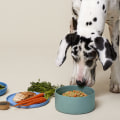
When it comes to ensuring our furry friends lead happy and healthy lives, understanding a healthy pet diet is paramount. Just like humans, pets require a balanced diet that provides essential nutrients to support their overall well-being. A well-rounded diet not only contributes to their physical health but also enhances their mood, energy levels, and longevity. As pet owners, it is our responsibility to educate ourselves about pet nutrition and make informed choices that benefit our companions. One of the most enjoyable aspects of caring for pets is treating them to delicious snacks.
However, not all treats are created equal. Many commercial pet treats are loaded with artificial ingredients, fillers, and unhealthy additives that can lead to obesity and other health issues. Instead, focusing on healthy treat options can provide your pet with the satisfaction they crave while also contributing positively to their diet. By selecting treats that are rich in nutrients and low in harmful substances, you can reinforce good behavior while promoting a healthier lifestyle. The benefits of incorporating healthy treats into your pet's diet extend beyond mere indulgence.
These nutritious options can serve as excellent training rewards, help maintain a healthy weight, and even support dental health. As we delve deeper into the world of healthy pet diets, we will explore various treat options that not only satisfy your pet's taste buds but also align with their nutritional needs.
Why Healthy Treats Matter for Pets
Incorporating healthy treats into your pet's diet is essential for several reasons. First and foremost, these treats can significantly contribute to weight management. Many commercial pet treats are high in calories and low in nutritional value, which can lead to obesity and related health issues.By choosing healthier options, you can reward your pet without compromising their weight or overall health.Another critical aspect of healthy treats is their impact on dental health. Certain treats are designed to promote chewing, which helps reduce plaque and tartar buildup on your pet's teeth. This not only keeps their breath fresh but also minimizes the risk of dental diseases that can lead to more severe health problems.Moreover, healthy treats can enhance your pet's overall well-being. Many nutritious options are rich in vitamins, minerals, and antioxidants that support a strong immune system and improve skin and coat health.
For instance, treats made from natural ingredients like sweet potatoes or carrots provide essential nutrients while satisfying your pet's urge to chew.Additionally, offering healthy treats can strengthen the bond between you and your pet. Using these nutritious rewards during training sessions or as a way to show affection reinforces positive behavior while ensuring that your pet receives beneficial nutrients.In summary, the importance of healthy treats cannot be overstated. They play a vital role in maintaining a balanced healthy pet diet, promoting weight management, supporting dental health, and enhancing overall well-being. By making informed choices about the treats you offer, you can contribute significantly to your pet's long-term health and happiness.
Types of Healthy Treats for Dogs
When it comes to treating your furry friend, choosing healthy dog treats is essential for maintaining their overall well-being.Here are some popular types of healthy treats that you can consider:
- Commercial Healthy Dog Treats: Many brands now offer natural dog treats made from high-quality ingredients. Look for options that are grain-free, contain no artificial preservatives, and are rich in protein. Brands like Blue Buffalo and Wellness provide a variety of flavors that dogs love.
- Fruits and Vegetables: Fresh produce can be a great source of vitamins and minerals. Carrots, apples (without seeds), and sweet potatoes are excellent choices.
These can be given raw or cooked, making them versatile options for your dog's diet.
- Homemade Dog Treats: Making your own treats allows you to control the ingredients. Simple recipes can include oats, peanut butter (ensure it’s xylitol-free), and pumpkin puree. For example, mix 1 cup of oats with 1/2 cup of peanut butter and 1/2 cup of pumpkin, roll into balls, and bake at 350°F for about 20 minutes.
- Meat-Based Treats: Dogs are naturally carnivorous, so lean meats like chicken or turkey can be excellent treat options. Dehydrated meat strips or jerky made from these proteins can be both tasty and nutritious.
It's also wise to consult with your veterinarian before introducing new foods into their diet. By opting for healthy pet diet choices, you ensure that your dog enjoys their treats while also supporting their health.
Types of Healthy Treats for Cats
When it comes to treating your feline friend, choosing healthy cat treats is essential for maintaining their overall well-being. Fortunately, there are numerous options available that cater to their dietary needs.Store-Bought Healthy Cat Treats
Many pet stores offer a variety of natural cat treats that are specifically formulated to be nutritious and tasty. Look for treats that contain:- High-quality protein sources, such as chicken, turkey, or fish.
- Limited ingredients to avoid fillers and artificial additives.
- Grain-free options, especially if your cat has sensitivities.
Homemade Cat Treats
If you prefer a more hands-on approach, making homemade cat treats can be a rewarding experience.Here are a couple of simple recipes:
- Tuna Treats: Mix one can of tuna (in water) with one egg and a tablespoon of whole wheat flour. Bake at 350°F for about 10-12 minutes, then let cool before serving.
- Chicken Bites: Boil chicken breast until fully cooked, shred it, and mix with a small amount of oat flour. Form into small balls and bake until firm.
Homemade Healthy Treat Recipes for Pets
Creating homemade healthy treats for your pets is a rewarding way to ensure they enjoy nutritious snacks while also allowing you to control the ingredients.Here are some simple and delicious recipes for both dogs and cats.
Peanut Butter and Pumpkin Dog Treats
- Ingredients:
- 1 cup whole wheat flour
- 1/2 cup canned pumpkin
- 1/4 cup peanut butter (ensure it's xylitol-free)
- 1/4 cup water
- 1 egg
- Instructions:
- Preheat your oven to 350°F (175°C).
- In a bowl, mix all the ingredients until well combined.
- Roll out the dough on a floured surface and cut into desired shapes.
- Bake for 20-25 minutes or until golden brown.
- Let cool before serving to your furry friend.
Tuna Cat Treats
- Ingredients:
- 1 can of tuna in water, drained
- 1 egg
- 1 cup whole wheat flour
- 1 tablespoon dried catnip (optional)
- Instructions:
- Preheat your oven to 350°F (175°C).
- In a mixing bowl, combine the tuna, egg, and flour until a dough forms.
- If using, add catnip for extra flavor.
- Scoop small amounts of dough and shape them into balls or flatten them into discs.
- Bake for 10-12 minutes until firm. Allow to cool before serving.
Common Ingredients to Avoid in Pet Treats
When selecting treats for your pet, it’s crucial to be aware of common ingredients that can be harmful. Many commercial pet treats contain additives and substances that may pose serious health risks.Here are some ingredients you should avoid:
- Chocolate: This beloved human treat contains theobromine, which is toxic to both dogs and cats. Even small amounts can lead to serious health issues.
- Onions and Garlic: Both of these ingredients can damage red blood cells in pets, leading to anemia. They are often found in various processed foods, so always check labels.
- Xylitol: A sugar substitute commonly found in sugar-free products, xylitol can cause a rapid insulin release in dogs, leading to hypoglycemia and potential liver failure.
- Grapes and Raisins: These fruits can cause kidney failure in dogs, even in small quantities. The exact substance causing this reaction is still unknown.
- Avocado: While healthy for humans, avocados contain persin, which can be toxic to pets, particularly birds and large animals.
These additives not only provide no nutritional value but may also lead to long-term health issues such as allergies or digestive problems. Always read the ingredient list carefully before purchasing any pet treat. Opt for products that use natural ingredients and are free from harmful additives. By being vigilant about what goes into your pet's treats, you can help ensure they maintain a healthy pet diet.
How to Choose the Right Healthy Treats for Your Pet
Choosing the right healthy treats for your pet is essential to ensure they receive the nutrition they need while enjoying their snacks. Here are some key factors to consider when selecting healthy pet treats:- Understand Your Pet's Dietary Needs: Every pet has unique dietary requirements based on their age, size, and health conditions.
Consult with your veterinarian to determine any specific needs or restrictions.
- Read Ingredient Labels: Look for treats that list whole ingredients, such as real meat, fruits, and vegetables. Avoid products with artificial additives, fillers, or by-products.
- Consider Caloric Content: Treats should not exceed 10% of your pet's daily caloric intake. Opt for low-calorie options if your pet is prone to weight gain.
- Check for Nutritional Value: Some treats are fortified with vitamins and minerals. Look for those that contribute positively to your pet's overall health.
- Allergies and Sensitivities: Be aware of any food allergies your pet may have.
Choose treats that are free from allergens like wheat, soy, or specific proteins.
- Dehydrated Fruits and Vegetables: Carrots, apples, and sweet potatoes make excellent low-calorie snacks packed with nutrients.
- Lean Meats: Treats made from chicken or turkey can be a great source of protein without unnecessary fats.
- Homemade Treats: Preparing your own treats allows you to control the ingredients and ensure they are healthy and safe for your pet.
FAQs About Healthy Pet Treats
When it comes to healthy pet treats, many pet owners have questions about what options are best for their furry friends. Here are some frequently asked questions that can help clarify common concerns:What are some examples of healthy pet treats?
- Fruits and Vegetables: Carrots, apples (without seeds), and blueberries are great options.
- Commercially Available Treats: Look for treats made with natural ingredients and without artificial additives.
- Homemade Treats: You can make your own treats using ingredients like pumpkin, peanut butter (xylitol-free), and oats.
How often should I give my pet treats?
Treats should only make up about 10% of your pet's daily caloric intake.This ensures that they maintain a balanced diet while still enjoying occasional rewards.
Are all natural treats healthy?
Not necessarily. While many natural treats are healthier than processed ones, it's important to read the labels. Some may still contain high levels of sugar or fat. Always check for nutritional information and choose options that align with your pet's dietary needs.Can I use human food as treats?
Yes, but be cautious.Some human foods can be toxic to pets, such as chocolate, grapes, and onions. Always research before offering any new food item to your pet.
What should I avoid in pet treats?
- Artificial Preservatives: These can have negative health effects over time.
- Sugar and Salt: Excessive amounts can lead to obesity and other health issues.
- By-products: Avoid treats that list meat by-products as their main ingredient.
Conclusion: Making Healthier Choices for Your Pets
In conclusion, making healthier choices for your pets is essential for their overall well-being and longevity. As we have explored, the right treats can significantly contribute to a healthy pet diet, ensuring that your furry friends receive the nutrients they need without unnecessary fillers or harmful ingredients.When selecting treats, consider the following key points:- Natural Ingredients: Opt for treats made from whole, natural ingredients. Look for options that list real meat, fruits, or vegetables as the primary components.
- Portion Control: Even healthy treats should be given in moderation.
Be mindful of your pet's overall caloric intake to prevent obesity.
- Homemade Alternatives: Consider making your own pet treats at home. This allows you to control the ingredients and tailor them to your pet's specific dietary needs.
- Consult Your Veterinarian: Always consult with your veterinarian before introducing new treats into your pet's diet, especially if they have existing health conditions.