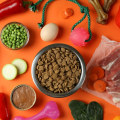
When it comes to crafting a healthy pet diet, understanding the role of protein is essential. Protein is not just a macronutrient; it is a fundamental building block for your pet's body. It plays a crucial role in supporting growth, maintaining muscle mass, and providing energy. For pets, especially those in their growth phases or those that are active, adequate protein intake is vital for overall health and well-being, just as incorporating natural remedies for cats can enhance their overall wellness. Moreover, protein is integral to the production of enzymes and hormones that regulate various bodily functions. , understanding the role of protein is essential. Protein is not just a macronutrient; it is a fundamental building block for your pet's body. It plays a crucial role in supporting growth, maintaining muscle mass, and providing energy. For pets, especially those in their growth phases or those that are active, adequate protein intake is vital for overall health and well-being, just as incorporating natural remedies for cats can enhance their overall wellness. Moreover, protein is integral to the production of enzymes and hormones that regulate various bodily functions.
A diet lacking in sufficient protein can lead to serious health issues, including muscle wasting, weakened immune response, and stunted growth in young animals. Therefore, ensuring that your pet receives high-quality protein sources is a key aspect of pet nutrition basics.As we delve deeper into the specifics of protein sources for pets, it’s important to recognize that not all proteins are created equal. Different sources provide varying amino acid profiles, which are essential for your pet's health. Understanding these differences will help you make informed choices about what to include in your pet's diet, ultimately leading to a happier and healthier life for your furry companion.
Animal-Based Protein Sources
When it comes to a healthy pet diet, incorporating animal-based protein sources is essential for your pet's overall health and well-being.These proteins are not only highly digestible but also provide a complete amino acid profile that supports muscle development, energy levels, and immune function.
Chicken
Chicken is one of the most popular meat sources for pets. It is lean, rich in protein, and contains essential vitamins such as B6 and niacin. The high protein content helps maintain muscle mass, while the low-fat content makes it suitable for pets that need to manage their weight.Beef
Beef is another excellent source of animal protein. It is packed with iron, zinc, and B vitamins, which are crucial for energy production and overall health.However, it's important to choose lean cuts to avoid excess fat that could lead to obesity in pets.
Fish
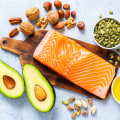
Fish, particularly fatty fish like salmon and sardines, are rich in omega-3 fatty acids. These healthy fats promote a shiny coat and healthy skin while also supporting cognitive function. Fish is an excellent alternative protein source for pets with allergies to other meats.Eggs
Eggs are a powerhouse of nutrition and can be a great addition to your pet's diet. They are highly digestible and contain all the essential amino acids needed for growth and repair.Additionally, eggs provide vitamins A, D, and E, which contribute to a strong immune system.Incorporating these animal protein sources into your pet's diet can lead to numerous benefits, including improved energy levels, better coat condition, and enhanced overall health. Always consult with your veterinarian before making significant changes to your pet's diet to ensure it meets their specific nutritional needs.
Plant-Based Protein Sources
Incorporating plant-based protein sources into your pet's diet can be a nutritious and sustainable choice. These sources not only provide essential amino acids but also come with added health benefits. Here are some excellent options:- Legumes: Beans, lentils, and peas are rich in protein and fiber.
They help in maintaining a healthy digestive system and can be easily mixed into your pet's meals.
- Grains: Whole grains like quinoa, brown rice, and oats are not only good sources of protein but also provide carbohydrates for energy. They can be cooked and served as a base for your pet's food.
- Vegetables: Certain vegetables such as spinach, broccoli, and sweet potatoes contain protein along with vitamins and minerals. These can be steamed or pureed to enhance digestibility.
Consulting with a veterinarian or a pet nutritionist can help in formulating a diet that meets all of your pet's nutritional needs.The benefits of plant protein extend beyond just nutrition. Plant-based diets are often lower in fat and cholesterol compared to meat-based diets, which can contribute to better heart health in pets. Additionally, these diets are more environmentally friendly, reducing the carbon footprint associated with animal farming.When transitioning your pet to a plant-based diet, do so gradually to avoid digestive upset. Start by mixing small amounts of plant proteins with their regular food and increase the proportion over time.
This approach will help your pet adjust while ensuring they receive adequate nutrition.
Commercial Pet Foods: What to Look For
When selecting commercial pet foods, understanding the protein content is crucial for ensuring a healthy pet diet. Here are some key factors to consider:- Protein Sources: Look for high-quality protein sources listed at the top of the ingredient list. Ingredients like chicken, beef, fish, or lamb should be prioritized. Avoid vague terms like "meat by-products" as they can indicate lower quality.
- Guaranteed Analysis: This section on the label provides essential information about the protein content.
Ensure that the crude protein percentage meets your pet's dietary needs. For dogs, a minimum of 18% protein is generally recommended, while cats require at least 26%.
- Life Stage Appropriateness: Choose foods formulated for your pet's specific life stage—puppy, adult, or senior—as their protein needs vary significantly. Puppies and kittens typically require higher protein levels for growth.
- Whole Ingredients: Opt for foods that include whole ingredients rather than fillers. Ingredients like whole grains, vegetables, and fruits not only provide additional nutrients but also support overall health.
Additionally, consider consulting with your veterinarian to tailor your pet's diet based on their unique health requirements and activity levels.In summary, a good commercial pet food should have high-quality protein sources, meet the guaranteed analysis standards, be appropriate for your pet's life stage, and include whole ingredients. By prioritizing these factors, you can ensure that your furry friend receives the nutrition they need for a healthy and active life.
Homemade Diets: Ensuring Balanced Protein Intake
Creating homemade diets for your pets can be a rewarding way to ensure they receive a balanced protein intake. However, it’s essential to understand the nutritional needs of your pet to avoid deficiencies. Here are some tips and sample recipes to help you get started.Understanding Protein Needs
Different pets have varying protein requirements based on their age, size, and activity level.Generally, dogs require about 18-25% protein in their diet, while cats need around 25-30%. Always consult with your veterinarian before making significant changes to your pet's diet.
Tips for Balanced Homemade Diets
- Include a variety of protein sources: Use meats like chicken, beef, turkey, and fish. For vegetarian options, consider legumes and eggs.
- Incorporate healthy fats: Add sources like fish oil or flaxseed oil to support skin and coat health.
- Add vegetables: Incorporate safe vegetables such as carrots, peas, and spinach for added vitamins and minerals.
- Avoid harmful ingredients: Ensure you do not include foods toxic to pets, such as onions, garlic, or chocolate.
Sample Homemade Pet Food Recipes
- Chicken and Rice Recipe:
- 1 cup cooked chicken (shredded)
- 1/2 cup cooked brown rice
- 1/4 cup peas and carrots (cooked)
- Mix all ingredients together and serve.
- Beef and Vegetable Stew:
- 1 pound ground beef
- 2 cups chopped vegetables (like sweet potatoes and green beans)
- 4 cups water or low-sodium broth
- Simmer until the beef is cooked through and vegetables are tender.
Special Considerations: Age, Breed, and Health Conditions
When considering a healthy pet diet, it is crucial to recognize that a pet's protein needs can vary significantly based on factors such as age, breed, and existing health conditions.Tailoring a pet's diet to these specific needs can enhance their overall well-being and longevity.
Age-Related Nutritional Needs
As pets age, their dietary requirements change. Puppies and kittens require higher levels of protein to support their rapid growth and development. In contrast, senior pets may need a diet lower in calories but still rich in high-quality protein to maintain muscle mass without excess weight gain. Here are some age-specific considerations:- Puppies: Require about 22-32% protein in their diet for optimal growth.
- Adult Dogs and Cats: Generally need around 18-25% protein, depending on activity level.
- Senior Pets: Should have a balanced diet with easily digestible proteins to support aging muscles.
Breed-Specific Nutrition
Different breeds have unique nutritional requirements.For instance, large breed dogs may benefit from diets formulated to prevent rapid growth, which can lead to skeletal issues. Conversely, small breeds often require more calorie-dense foods due to their higher metabolism. Consider the following:
- Large Breeds: Look for diets with controlled protein levels and added calcium for bone health.
- Small Breeds: Opt for high-protein, high-fat diets that cater to their energy needs.
Health Conditions Affecting Diet
Certain health conditions can also dictate a pet's protein intake. For example, pets with kidney disease may require lower protein levels to reduce strain on their kidneys, while those recovering from surgery or illness might need increased protein for healing.Always consult with a veterinarian when adjusting your pet's diet based on health conditions.In summary, understanding the interplay between age, breed, and health conditions is essential for creating a healthy pet diet. By tailoring protein sources and overall nutrition to meet these specific needs, pet owners can ensure their furry companions thrive at every stage of life.
Common Myths About Protein in Pet Diets
When it comes to protein in pet diets, several myths can lead to confusion among pet owners. Understanding these misconceptions is crucial for ensuring a healthy pet diet.Myth 1: All Proteins Are Created Equal
Many pet owners believe that all sources of protein provide the same nutritional value. In reality, the quality of protein varies significantly.Animal-based proteins, such as chicken, beef, and fish, are generally more digestible and contain essential amino acids that pets need for optimal health. Plant-based proteins, while beneficial, may not provide the complete amino acid profile required by pets.
Myth 2: High Protein Diets Are Harmful
Another common misconception is that high-protein diets can harm pets, particularly dogs and cats. While excessive protein can be an issue for pets with specific health conditions (like kidney disease), most healthy pets thrive on a diet rich in protein. It's essential to consult with a veterinarian to determine the appropriate protein levels based on your pet's individual needs.Myth 3: Grain-Free Equals High Protein
Some pet owners assume that grain-free diets automatically mean higher protein content.However, many grain-free pet foods substitute grains with high levels of carbohydrates from other sources like potatoes or peas. Always check the ingredient list and nutritional analysis to ensure your pet is receiving adequate protein.
Myth 4: Pets Can Get Enough Protein from Treats Alone
While treats can be a fun addition to your pet's diet, relying solely on them for protein intake is not advisable. Treats often lack the balanced nutrition found in complete pet foods. Ensure that your pet's primary diet consists of high-quality food that meets their nutritional requirements. By debunking these myths, pet owners can make informed decisions about their pets' diets, leading to healthier and happier lives for their furry companions.Conclusion: Crafting a Healthy Diet for Your Pet
In conclusion, providing a healthy pet diet is essential for the overall well-being of your furry companions.Throughout this article, we have explored various sources of protein that can significantly contribute to a balanced diet. It is crucial to remember that not all proteins are created equal; the quality and digestibility of the protein sources you choose can greatly impact your pet's health.When selecting protein sources, consider options such as:
- Lean meats: Chicken, turkey, and lean cuts of beef are excellent choices that provide essential amino acids.
- Fish: Rich in omega-3 fatty acids, fish like salmon and sardines not only offer protein but also promote a healthy coat and skin.
- Eggs: A complete protein source, eggs are highly digestible and packed with nutrients.
- Dairy products: In moderation, yogurt and cottage cheese can be beneficial for pets that tolerate lactose.
- Plant-based proteins: For vegetarian or vegan diets, options like lentils, chickpeas, and quinoa can provide necessary protein while being gentle on the digestive system.
Investing time in understanding their nutritional needs will pay off in the form of vitality and happiness for your beloved companion.