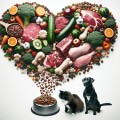
When it comes to our beloved pets, ensuring they have a healthy pet diet is paramount for their overall well-being and longevity. Just like humans, pets require a balanced intake of nutrients to thrive. A well-rounded diet not only supports their physical health but also enhances their mood, energy levels, and even their lifespan. Understanding the importance of pet nutrition is the first step in making informed choices about what we feed our furry companions, and many experts agree that Grain-Free Dog Food the Best Option for optimal health. Many pet owners are now exploring the option of preparing When it comes to our beloved pets, ensuring they have a healthy pet diet is paramount for their overall well-being and longevity. Just like humans, pets require a balanced intake of nutrients to thrive. A well-rounded diet not only supports their physical health but also enhances their mood, energy levels, and even their lifespan. Understanding the importance of pet nutrition is the first step in making informed choices about what we feed our furry companions, and many experts agree that Grain-Free Dog Food the Best Option for optimal health. Many pet owners are now exploring the option of preparing homemade pet food, which can offer numerous benefits over commercial options.
Homemade diets allow for complete control over ingredients, ensuring that pets receive fresh, high-quality nutrition tailored to their specific needs. This can be particularly beneficial for pets with allergies or sensitivities to certain commercial food ingredients. Additionally, creating meals at home can foster a deeper bond between pet and owner, as it involves time and care in meal preparation. Moreover, a healthy pet diet can prevent various health issues such as obesity, diabetes, and digestive problems. By prioritizing nutrition and considering homemade options, pet owners can take proactive steps towards enhancing their pets' quality of life.
As we delve deeper into the world of homemade pet food, it’s essential to understand not just the benefits but also how to create balanced meals that meet all of your pet's dietary requirements.
Can I Make My Own Pet Food at Home?
Making your own pet food at home can be a rewarding endeavor, but it requires careful consideration to ensure that your furry friend receives a healthy pet diet. Many pet owners are drawn to the idea of homemade pet food recipes as a way to control ingredients and avoid fillers often found in commercial products.Before diving into homemade pet food, it’s essential to understand the nutritional needs of your pet. Dogs and cats have specific dietary requirements that must be met for optimal health. For instance, dogs need a balance of proteins, carbohydrates, fats, vitamins, and minerals, while cats require higher protein levels and certain nutrients like taurine.Is Homemade Pet Food Safe?
One of the most pressing questions pet owners have is whether homemade pet food is safe.The answer largely depends on how well you formulate the recipes. Here are some key points to consider:
- Consult a Veterinarian: Before making any changes to your pet's diet, consult with a veterinarian or a pet nutritionist. They can help you create balanced recipes tailored to your pet's specific needs.
- Avoid Harmful Ingredients: Some foods that are safe for humans can be toxic to pets. For example, onions, garlic, chocolate, and grapes should always be avoided.
- Balance is Key: Ensure that each meal contains the right proportions of protein, fats, and carbohydrates.
A well-rounded diet is crucial for maintaining your pet's health.
Benefits of Homemade Pet Food
Preparing homemade pet food offers numerous benefits that can significantly enhance your pet's health and well-being.One of the primary advantages is the control over ingredients. When you make your own pet food, you can select high-quality, fresh ingredients that are free from artificial additives, preservatives, and fillers commonly found in commercial pet foods.Another significant benefit is the ability to customize meals according to your pet's specific dietary needs. Whether your pet has allergies, sensitivities, or particular health conditions, you can tailor their diet to include ingredients that support their health. For instance, if your dog is allergic to chicken, you can easily substitute it with turkey or fish.
- Improved Nutritional Value: Homemade pet food can be more nutritious than store-bought options, as you can incorporate a variety of healthy ingredients, such as lean meats, vegetables, and whole grains.
- Cost-Effectiveness: While there may be an initial investment in quality ingredients, making your own pet food can lead to long-term savings compared to purchasing premium commercial brands.
- Enhanced Palatability: Many pets prefer the taste of fresh, homemade meals over processed kibble or canned food, which can lead to better eating habits and overall satisfaction.
You can avoid questionable ingredients and ensure that every component is safe and beneficial for your furry friend. This level of involvement not only fosters a deeper bond between you and your pet but also promotes a healthier lifestyle for them.In conclusion, the benefits of homemade pet food extend beyond just nutrition; they encompass control over ingredients, customization for individual needs, potential cost savings, and improved palatability. By investing time in preparing meals at home, you are making a conscious choice towards a healthy pet diet.
Nutritional Requirements for Pets
Creating a healthy pet diet at home requires a solid understanding of your pet's nutritional requirements. Both dogs and cats have specific needs that must be met to ensure their overall health and well-being.To formulate a balanced diet for pets, it’s essential to include the following essential nutrients:- Proteins: Vital for growth, maintenance, and repair of tissues.
Sources include lean meats, fish, and eggs.
- Fats: Provide energy and support cell function. Healthy fats can be found in fish oil, flaxseed oil, and chicken fat.
- Carbohydrates: While not essential, they can provide energy and aid digestion. Good sources are brown rice, oats, and sweet potatoes.
- Vitamins: Necessary for various bodily functions. Ensure your pet gets a range of vitamins from fruits and vegetables like carrots, spinach, and blueberries.
- Minerals: Important for bone health and metabolic processes.
Include calcium-rich foods like yogurt or leafy greens.
How to Create Balanced Homemade Pet Food Recipes
Creating balanced homemade pet food recipes is essential for ensuring your furry friends receive the nutrients they need. Here’s a guide to help you craft nutritious meals for both dogs and cats.Understanding Nutritional Needs
Before diving into recipes, it’s crucial to understand the basic nutritional requirements of your pet.Dogs generally need a mix of proteins, carbohydrates, fats, vitamins, and minerals, while cats require a higher protein content and specific nutrients like taurine.
Ingredient Suggestions
- Proteins: Lean meats (chicken, turkey, beef), fish (salmon, tuna), and eggs are excellent sources.
- Carbohydrates: Brown rice, quinoa, and sweet potatoes provide energy and fiber.
- Fruits and Vegetables: Carrots, peas, blueberries, and spinach can add vitamins and antioxidants.
- Fats: Healthy oils like fish oil or flaxseed oil can support skin and coat health.
Sample Recipes
- Homemade Dog Food:
- 2 1/2 pounds ground turkey
- 1 cup chopped carrots
- 1 cup peas
- 1 cup cooked brown rice
- 1 tablespoon fish oil
- Cat Food Recipe:
- 1/2 cup chicken (cooked and shredded)
- 1/4 cup cooked pumpkin
- 1/4 cup peas
- 1/4 teaspoon taurine supplement (if needed)
- Always consult with your veterinarian before making significant changes to your pet's diet.
- Avoid using ingredients that are toxic to pets, such as onions, garlic, chocolate, and grapes.
- Store homemade food in airtight containers in the refrigerator for up to three days or freeze portions for later use.
Common Mistakes to Avoid When Making Pet Food at Home
Making your own pet food can be a rewarding endeavor, but it’s essential to be aware of common mistakes that can compromise your pet's health.Here are some pitfalls to avoid:
- Neglecting Nutritional Balance: One of the most significant errors is failing to provide a balanced diet. Pets require specific nutrients, including proteins, fats, vitamins, and minerals. Without proper research or guidance, you might end up with a diet that lacks essential components.
- Using Unsafe Ingredients: Not all human foods are safe for pets. Ingredients like onions, garlic, chocolate, and certain nuts can be toxic.
Always check which foods are safe for your pet before incorporating them into their diet.
- Ignoring Portion Control: Homemade pet food can lead to overfeeding or underfeeding if portion sizes are not carefully measured. It's crucial to understand your pet's caloric needs based on their size, age, and activity level.
- Inconsistent Recipes: Sticking to a consistent recipe is vital for maintaining nutritional balance. Frequently changing ingredients can lead to deficiencies or excesses in certain nutrients.
- Not Consulting a Veterinarian: Before making any significant changes to your pet's diet, it’s wise to consult with a veterinarian or a pet nutritionist. They can provide tailored advice and help you create a balanced meal plan.
Remember that the goal is not just to feed your pet but to nourish them effectively.
Consulting with a Veterinarian: Why It Matters
Transitioning to a homemade pet diet can be an exciting journey for pet owners, but it is crucial to consult with a veterinarian before making any significant changes. A veterinarian can provide tailored advice that considers your pet's specific health needs, age, and activity level.Why Veterinary Consultation is Essential:
- Nutritional Adequacy: Pets require a balanced diet that includes proteins, fats, carbohydrates, vitamins, and minerals. A veterinarian can help you formulate a diet that meets these requirements, ensuring your pet receives all necessary nutrients.
- Health Considerations: Some pets may have underlying health issues or dietary restrictions. A vet can identify these concerns and recommend appropriate ingredients or supplements to avoid potential health risks.
- Safety of Ingredients: Not all human foods are safe for pets.
Consulting with a veterinarian helps you understand which ingredients are safe and beneficial for your furry friend.
- Monitoring Progress: After transitioning to a homemade diet, regular check-ups with your vet can help monitor your pet's health and adjust the diet as needed.
FAQs About Homemade Pet Food
When considering a homemade pet food diet, many pet owners have questions and concerns. Here are some of the most frequently asked questions:1.Is homemade pet food safe for my pet?
Yes, homemade pet food can be safe if prepared correctly.It’s essential to follow recipes that are formulated by veterinary nutritionists to ensure that your pet receives all the necessary nutrients. Always consult with your veterinarian before making any significant changes to your pet's diet.
2.What ingredients should I include in homemade pet food?
A balanced healthy pet diet typically includes:- Proteins: Lean meats, fish, or eggs.
- Carbohydrates: Brown rice, sweet potatoes, or oats.
- Fruits and Vegetables: Carrots, peas, blueberries, and spinach.
- Fats: Fish oil or flaxseed oil for healthy fats.
3.How do I know if my homemade pet food is nutritionally complete?
The best way to ensure that your homemade pet food is nutritionally complete is to use recipes developed by veterinary nutritionists. Additionally, consider using supplements as recommended by your vet to fill any nutritional gaps.4.Can I feed my pet the same food every day?
While some pets may thrive on a consistent diet, it’s generally advisable to vary their meals to prevent nutritional deficiencies and keep them interested in their food. Rotate different protein sources and vegetables to provide a well-rounded diet.5.What are the common mistakes when making homemade pet food?
- Ignoring nutritional balance: Failing to include all necessary nutrients can lead to health issues.
- Using harmful ingredients: Foods like onions, garlic, and chocolate are toxic to pets.
- Lack of consultation with a vet: Not seeking professional advice can result in serious dietary mistakes.
Conclusion: Is Homemade Pet Food Right for You?
In conclusion, the decision to prepare homemade pet food should be approached with careful consideration of your pet's unique dietary needs.While making your own pet food can offer numerous benefits, such as better ingredient control and the ability to cater to specific health requirements, it also comes with its own set of challenges.Before embarking on this journey, it is essential to evaluate the following:
- Nutritional Balance: Ensuring that your homemade recipes provide a complete and balanced diet is crucial. Pets require specific nutrients that must be included in their meals.
- Consultation with a Veterinarian: Always consult with a veterinarian or a pet nutritionist before making significant changes to your pet's diet. They can help you formulate recipes that meet your pet's health needs.
- Time and Commitment: Preparing homemade meals can be time-consuming. Consider whether you have the time and resources to consistently prepare nutritious meals for your pet.
- Quality of Ingredients: The quality of ingredients you use will directly impact your pet's health.
Opt for fresh, high-quality ingredients to ensure optimal nutrition.